Pigmentation & Spots
Target selected pigment concerns such as sun spots, freckles or uneven tone after diagnosis.
555-555-5555
mymail@mailservice.com

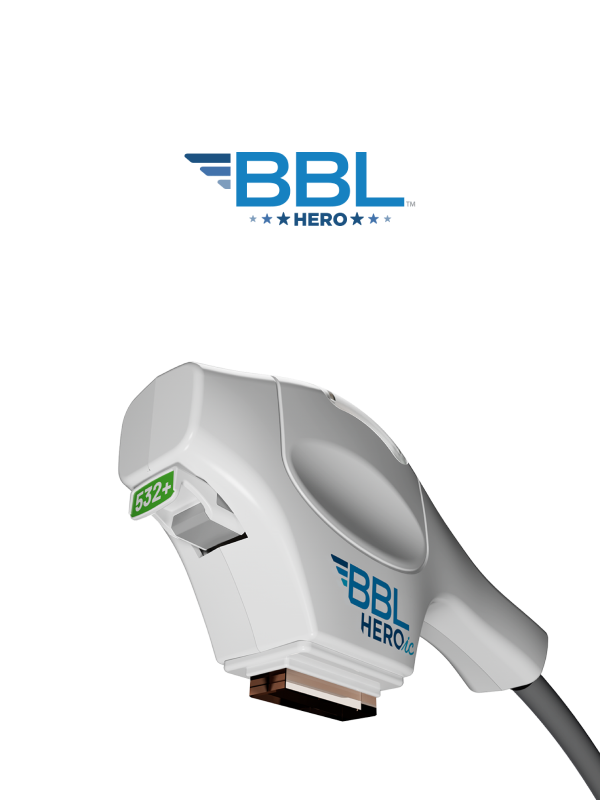
Laser and light-based rejuvenation can be planned for pigmentation, redness, enlarged pores, acne-related texture, dullness and visible ageing changes. BOME's official equipment page confirms BBL HERO for tone, redness, texture and subtle tightening, while its English reference site presents PicoSure, Pico Laser, CO₂ resurfacing and broader laser dermatology options.
Pigment, redness, acne scars and texture should not automatically receive the same laser. Skin type, depth, sensitivity and recovery time guide selection.
BOME's English reference content emphasises dermatologist-led analysis, gradual tone correction and treatment settings adapted to skin type, pigment depth and sensitivity.
One patient may need a single focused treatment, while another may need a staged plan combining light, laser and medical skincare.
Target selected pigment concerns such as sun spots, freckles or uneven tone after diagnosis.
Reduce the appearance of flushing, blotchiness and selected visible vascular changes.
Support collagen remodelling for roughness, enlarged pores and uneven skin surface.
Plan resurfacing or fractional treatment according to scar type, depth and downtime tolerance.
BBL HERO is confirmed on BOME's official equipment page. Other subpages reflect treatments described on the English reference site and should be reconfirmed against the clinic's current service list before publication.
Light-based treatment intended to support improvement in skin tone, visible pigment, redness, texture and subtle tightening.
Explore Treatment
Ultra-short picosecond pulses designed to break down pigment while supporting collagen stimulation and overall tone improvement.
Explore Treatment
Picosecond laser treatment considered for selected pigmentation, dullness and uneven tone with settings adapted to skin type.
Explore Treatment
A lower-intensity, course-based approach for gradual tone correction, pigment management and overall clarity.
Explore Treatment
Laser or light treatment selected for visible redness, flushing and vascular concerns after medical assessment.
Explore Treatment
Fractional or resurfacing treatment considered for enlarged pores, roughness and uneven texture through controlled collagen remodelling.
Explore Treatment
Fractional ablative resurfacing considered for deeper texture change, acne scars and selected ageing concerns with planned recovery.
Explore Treatment
A tailored programme combining complementary technologies for patients with more than one concern, such as pigment, redness and texture.
Explore TreatmentThis comparison is a general guide. Exact wavelength, fluence, passes, sessions and aftercare require assessment.
| Option | Main focus | Typical intensity | Recovery profile | Planning note |
|---|---|---|---|---|
| BBL HERO | Tone, redness, texture and subtle tightening | Non-ablative light treatment | Usually limited downtime | Filters and settings vary by concern. |
| PicoSure / Pico Laser | Pigmentation and clarity | Ultra-short picosecond pulses | Often mild redness | Pigment type must be diagnosed first. |
| Laser Toning | Gradual tone correction | Lower-intensity repeated treatment | Generally low downtime | Often planned as a course. |
| Vascular Laser | Redness and visible vessels | Vessel-targeting energy | Temporary redness or swelling may occur | Rosacea may also need medical management. |
| Pore & Texture Laser | Pores, roughness and collagen | Fractional non-ablative or resurfacing | Varies by intensity | Scar type and skin sensitivity matter. |
| CO₂ Fractional | Deeper texture and acne scars | Ablative fractional resurfacing | More visible downtime | Aftercare and sun avoidance are essential. |
The dermatologist assesses pigment type, redness, scar pattern, texture, skin type and sensitivity.
Wavelength, device, treatment depth, settings and session plan are selected for the diagnosed concern.
Treatment is performed with appropriate eye protection, comfort measures and post-procedure soothing care.
Aftercare focuses on gentle skincare, sun avoidance, sunscreen and review of the skin response.

Recent sun exposure, medication, active inflammation and previous procedures can affect laser safety and timing.
Exact advice depends on diagnosis, skin type, wavelength and treatment intensity.
There is no single best laser for every pigment concern. Freckles, sun spots, melasma and post-inflammatory pigmentation behave differently, so diagnosis should guide the device and settings.
BBL is a broad-spectrum light system using selected filters, while lasers generally emit more specific wavelengths. Both can be useful, but they target concerns differently.
Some focal lesions may respond to fewer sessions, while melasma, redness, pores or texture often need a course. The number depends on diagnosis and skin response.
Sensation varies from warmth or snapping to stronger discomfort with resurfacing procedures. Cooling, topical anaesthetic or other comfort measures may be used depending on the treatment.
Non-ablative light and pico treatments often have limited downtime, whereas fractional CO₂ resurfacing generally requires more visible recovery and stricter aftercare.
Travel timing depends on treatment intensity, expected redness, swelling, crusting and follow-up needs. Discuss flight dates before the procedure is confirmed.
Send clear photographs, your main concern, previous laser history and preferred visit date. Final treatment selection should follow dermatologist assessment.