Density & Thinning
Support the appearance of fuller-looking hair where early or moderate thinning is a concern.
555-555-5555
mymail@mailservice.com

Hair thinning and loss have many possible causes — genetics, hormones, stress, scalp health and more. BOME's approach starts with proper diagnosis before any treatment plan, combining consultation, autologous growth-factor treatment where suitable, and ongoing scalp health support.
Genetics, hormones, scalp condition and other factors can all play a role. The most suitable plan depends on your pattern of loss, its duration and your individual history.
BOME states that it selects premium medical equipment based on proven results and designs diagnosis, procedure and recovery support as one connected clinical process — the same principle applies to hair and scalp care.
A personalised plan may focus on one concern or combine several goals. Hair growth is a gradual biological process, and results vary.
Support the appearance of fuller-looking hair where early or moderate thinning is a concern.
Address dryness, sensitivity or an unhealthy-feeling scalp environment that may affect hair quality.
Support management of ongoing shedding or early-stage hair loss with a monitored plan.
Aftercare and regeneration support following a hair transplant or other hair procedure.
The seven subpages below combine a device confirmed on BOME's official equipment page with consultation and programme-based hair and scalp care.

A starting-point assessment to review your pattern of hair loss, its duration and possible contributing factors before any treatment is proposed.
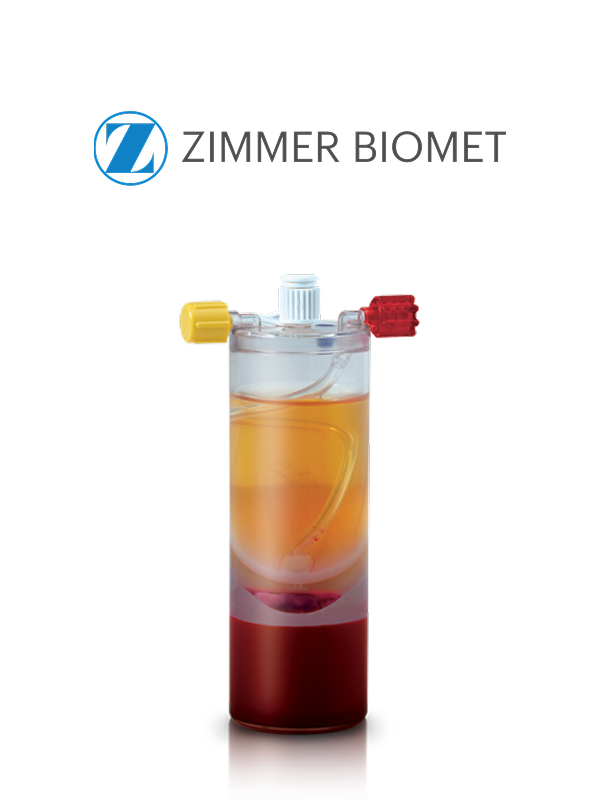
Explore Treatment Uses the Zimmer Biomet GPS 3 System to concentrate autologous growth factors from your own blood, aiming to support follicle stimulation and density over a course of sessions.
Explore Treatment
Ongoing care focused on the scalp environment itself — addressing dryness, sensitivity or irritation that may be affecting hair quality.
Explore Treatment
A targeted approach for early thinning, aimed at supporting fuller-looking density over a planned course of care.
Explore Treatment
A dedicated diagnostic and treatment approach for female-pattern thinning, which can differ in cause and presentation from male-pattern hair loss.
Explore Treatment
Recovery-focused scalp support following a hair transplant procedure, coordinated with your transplant provider where relevant.
Explore Treatment
A combined, longer-term programme that may bring together PRP, scalp health care and density support into one monitored plan.
Explore TreatmentThis comparison is a planning guide. Exact suitability, session count and timeline require consultation.
| Option | Primary approach | Typical focus | Recovery profile | Planning note |
|---|---|---|---|---|
| Hair Loss Consultation | Diagnostic assessment | Identifying cause and pattern of loss | No downtime | Usually the starting point before any treatment plan. |
| PRP Hair Restoration | Autologous growth-factor injection | Density, follicle stimulation | Mild scalp tenderness possible | Typically planned as a session series. |
| Scalp Health Programme | Scalp-focused clinical care | Dryness, sensitivity, scalp environment | No downtime | Often paired with other hair treatments. |
| Hair Density Booster | Targeted booster treatment | Fuller-looking density | Varies by method | Best suited to earlier-stage thinning. |
| Female Hair Thinning | Individualised diagnosis & plan | Female-pattern thinning | No downtime for consultation | Causes and treatment differ from male-pattern loss. |
| Post Hair Transplant Care | Aftercare & recovery support | Healing scalp following transplant | Follows transplant recovery timeline | Coordinated with your transplant provider where relevant. |
| Hair Regeneration Programme | Combined regenerative approach | Overall hair & scalp regeneration | Varies by combination | May combine several of the above methods. |
The dermatologist reviews your pattern, duration, family history and possible contributing causes.
Further examination or testing may be recommended, depending on how your hair loss presents.
PRP, scalp therapy, density support or a combined programme is proposed based on your assessment.
Hair growth is naturally gradual — progress is reviewed and the plan adjusted at follow-up visits.

Medical history and the pattern of your hair loss can change what's suitable. Always disclose relevant information before treatment.
Exact advice depends on diagnosis, hair loss pattern and the specific treatment selected.
Hair thinning can result from genetics, hormones, stress, scalp health, nutrition or a combination of factors. Diagnosis usually starts with a consultation reviewing your history and pattern of loss, sometimes alongside further examination.
PRP uses a small blood sample, processed through a system such as the Zimmer Biomet GPS 3 to concentrate growth factors, which are then reintroduced to the scalp to help support follicle activity. It's typically planned as a series of sessions rather than a single visit.
Often, yes. Female-pattern thinning can have different underlying causes and typically presents differently from male-pattern hair loss, so treatment planning is individualised accordingly.
Hair growth is naturally slow, and visible change generally takes multiple months regardless of the treatment chosen. Your dermatologist will explain a realistic timeline based on your specific plan.
A consultation and a single PRP session may be possible during a short visit, but a full treatment programme is usually planned across multiple visits. Please share your travel dates so this can be discussed.
Not necessarily — this depends on the underlying cause and how you respond. Some patients move to periodic maintenance, while others complete a defined programme. This is reviewed as part of your ongoing care.
Send clear photographs, when your hair loss started, and your preferred visit date. Final treatment selection should follow dermatologist assessment.